Design Notes
Bathroom Mirror Size Guide: Vanity Width, Height, and Pairing Rules
Quick answer
A bathroom mirror usually lands a bit narrower than the vanity, leaves room for trim or sconces, and scales to ceiling height instead of filling every inch of wall.
Mirror width vs vanity width
A practical starting point is a mirror slightly narrower than the vanity cabinet. This keeps the piece visually grounded and leaves breathing room for side trim, wall color, or sconces.
Single mirror vs two mirrors
Double-sink layouts can work with one wide mirror or a pair of narrower mirrors. Use pairs when you want clearer sink zoning or need side sconces between fixtures.
Height and mounting logic
Mirror height should support actual user eye lines while still relating to backsplash, faucet height, and ceiling volume. Do not force a mirror to run from vanity top to ceiling just because the wall is open.
FAQ
Should a bathroom mirror match vanity width exactly?
Not usually. Slightly narrower often looks more intentional and gives room for lighting or trim.
How do sconces change mirror sizing?
If sconces sit beside the mirror, you need enough wall width for both the fixture body and comfortable spacing.
Related resources
Topic pathway
More in Lighting Layout & Planning Guides
Recessed spacing, open-concept planning, lumen targets, and layered strategies for whole-room performance.
interior designer layered lighting specification
How Interior Designers Can Specify Layered Lighting Without Overcomplicating the Room
A professional guide for interior designers on building layered lighting plans that stay clear for clients, contractors, and procurement teams.
living room layered lighting guide
Living Room Layered Lighting Guide
How to layer ambient, task, and accent lighting in a living room without making the space feel overlit.
open concept lighting plan
Open-Concept Lighting Plan: Zone Without Walls
Use lighting hierarchy to define kitchen, dining, and living zones in open-plan homes without visual clutter.
Continue browsing
Project pathways connected to this guide
Shop with context
Products aligned with this guide
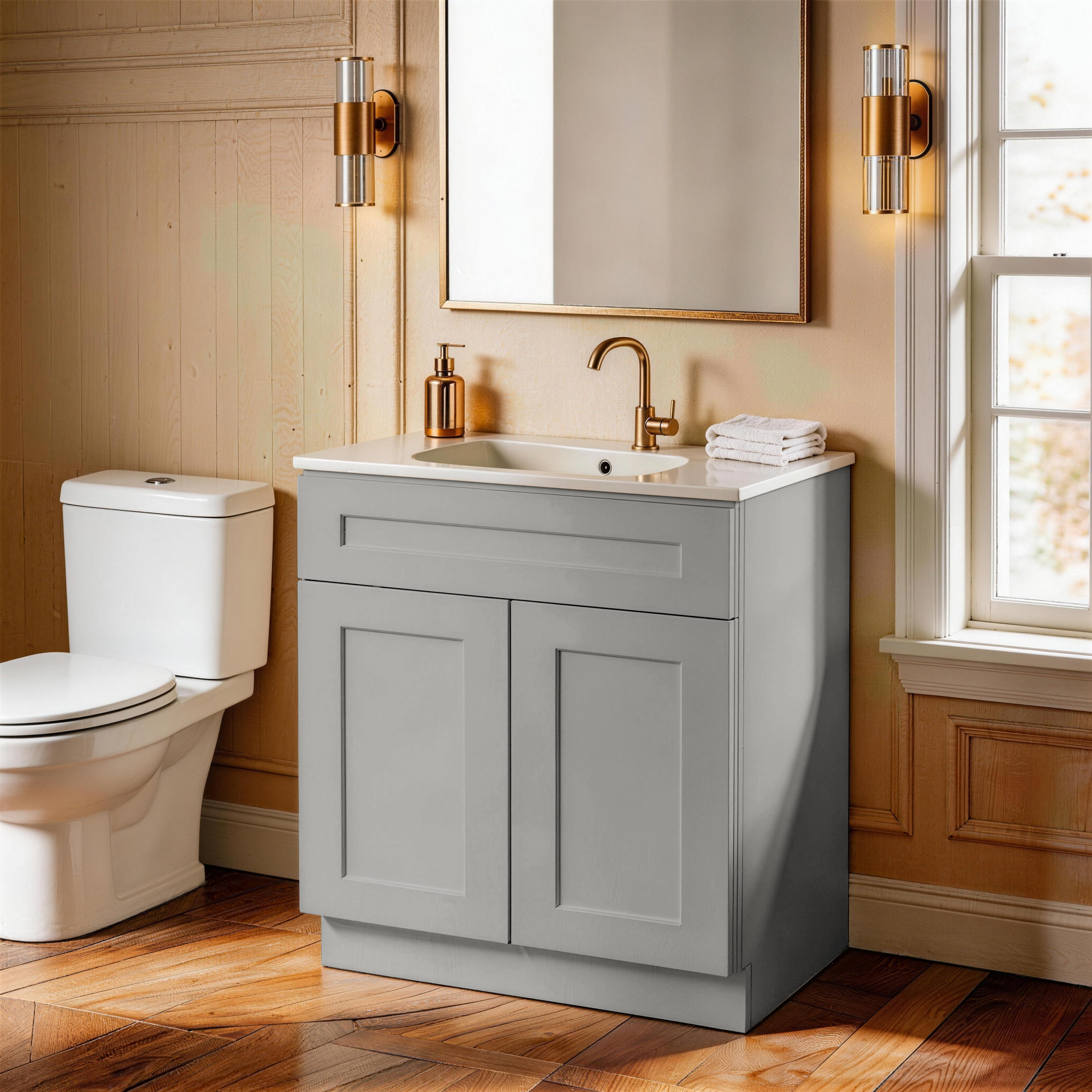
Bathroom Vanities
24" Gray Shaker Base Cabinet with Soft-Close Door,Drawer,Space-Saving Solid Wood Unit with Adjustable Shelf for Kitchen, Bath, Laundry, Garage (24"W x 24"D x 34.5"H)
$237
Bathroom Vanities
White Undermount Kitchen Sink 28 Inch Fireclay Drop-in Deep & Modern Farm Sink Large Single Bowl Topmount Accessory Kit Included
$135
Bathroom Vanities
undermount Kitchen Sink, Eridanus 24" L x 16" W Undermount Kitchen Sink White Ceramic Sink Deep Single Bowl without Bottom Grid and Strainer Drain
$116
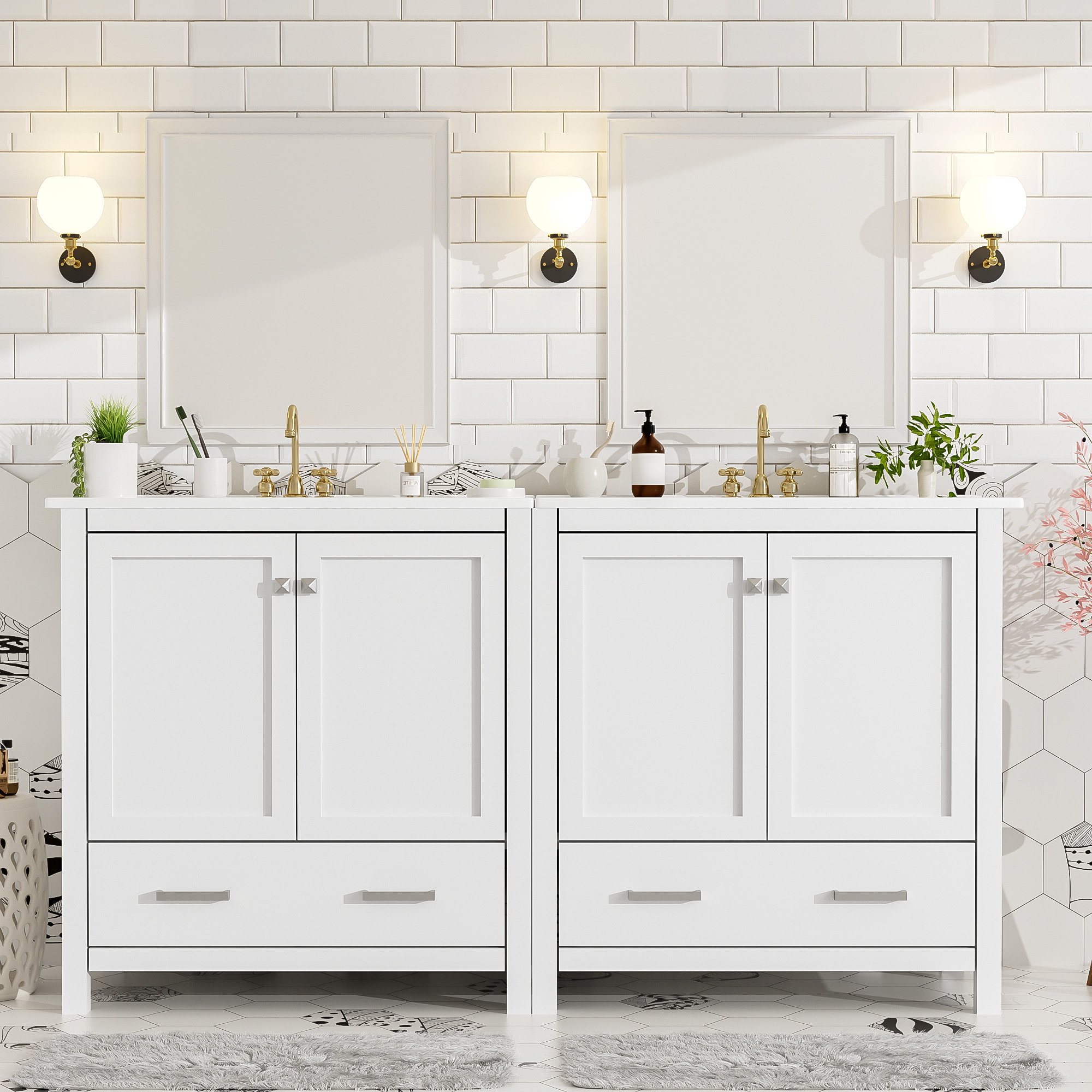
Bathroom Vanities
60" White Bathroom Vanity Set with Double Vanities (Separate), Double Ceramic Sinks, Storage Shelf, and Divided Drawers (Mirror not included)– Modern Bathroom Solution for Spacious Bathrooms
$629