Buying Guides
Finish Coordination for Lighting: How Designers Keep Mixed Metals Intentional
Quick answer
Mixed-metal lighting feels intentional when the designer decides which finish leads, which finish supports, and where the eye should notice contrast instead of accidental mismatch.
Why finish drift happens during specification
Lighting packages often lose discipline when rooms are sourced one by one and each selection is approved locally instead of against a whole-project finish logic.
How designers decide which finish should lead
The lead finish should be chosen by room architecture, hardware context, and the visual hierarchy of the fixture, not by whichever sample happened to photograph best in isolation.
How to explain mixed metals to clients with confidence
Clients respond better when the designer explains what the contrast is doing in the room, where repetition is intentional, and which finish is carrying the strongest visual responsibility.
Why this matters on a real project
The reader is an interior designer who needs a confident, specification-ready answer to "lighting finish coordination for interior designers" without creating client confusion or procurement drift. The goal is to protect design clarity, quoting accuracy, and client confidence at the same time.
Procurement and coordination notes
Before final approval, confirm finish naming, dimensional assumptions, lead-time sensitivity, replacement options, and any installation dependencies that could create avoidable change orders.
What to do next
Use the article to narrow the specification logic first, then move into the Neosgo trade program and catalog to compare viable options with fewer reselection loops.
Related resources
Topic pathway
More in Campaign Category Guides
Category-specific guidance for product discovery, creator fit, and campaign planning.
lighting specification checklist before quote approval
The Lighting Specification Checklist Designers Should Finish Before Quote Approval
A professional checklist for interior designers who want fewer lighting revisions after quoting and fewer surprises during procurement.
dining room chandelier size guide
Dining Room Chandelier Size Guide
A practical guide to choosing chandelier scale and hanging height over a dining table.
kitchen island pendant light spacing
Kitchen Island Pendant Light Spacing Guide
A practical guide to sizing, spacing, and hanging pendant lights over a kitchen island.
Continue browsing
Project pathways connected to this guide
Shop with context
Products aligned with this guide
Pendant Lights
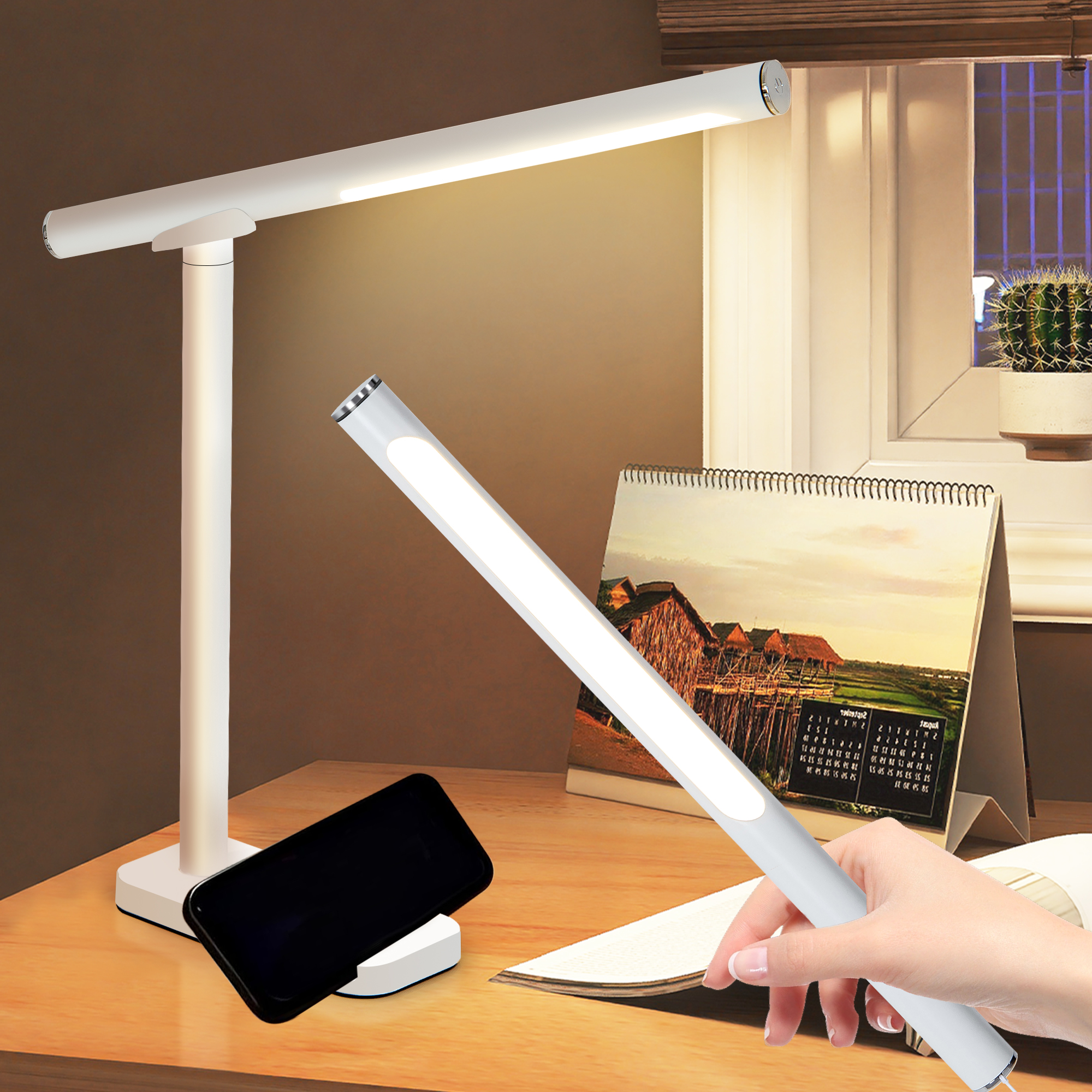
LED Desk Lamp 360°Adjustable, USB Charging Port, 5 Light Modes & Dimmable Brightness, Bedside Lamp for Reading, Craft, Work, Study(White)
$44
![Broghan 8 - Light Sphere Globe Chandelier[No Bulb]](https://b2bfiles1.gigab2b.cn/image/wkseller/68572/17c9a3df6f7f3db8ebd90b8499fcd5c4.jpg?x-cc=0&x-cu=0&x-ct=1772611200&x-cs=cda0a8638de0eef6339254bcafe7913d)
Pendant Lights
Broghan 8 - Light Sphere Globe Chandelier[No Bulb]
$252
Pendant Lights
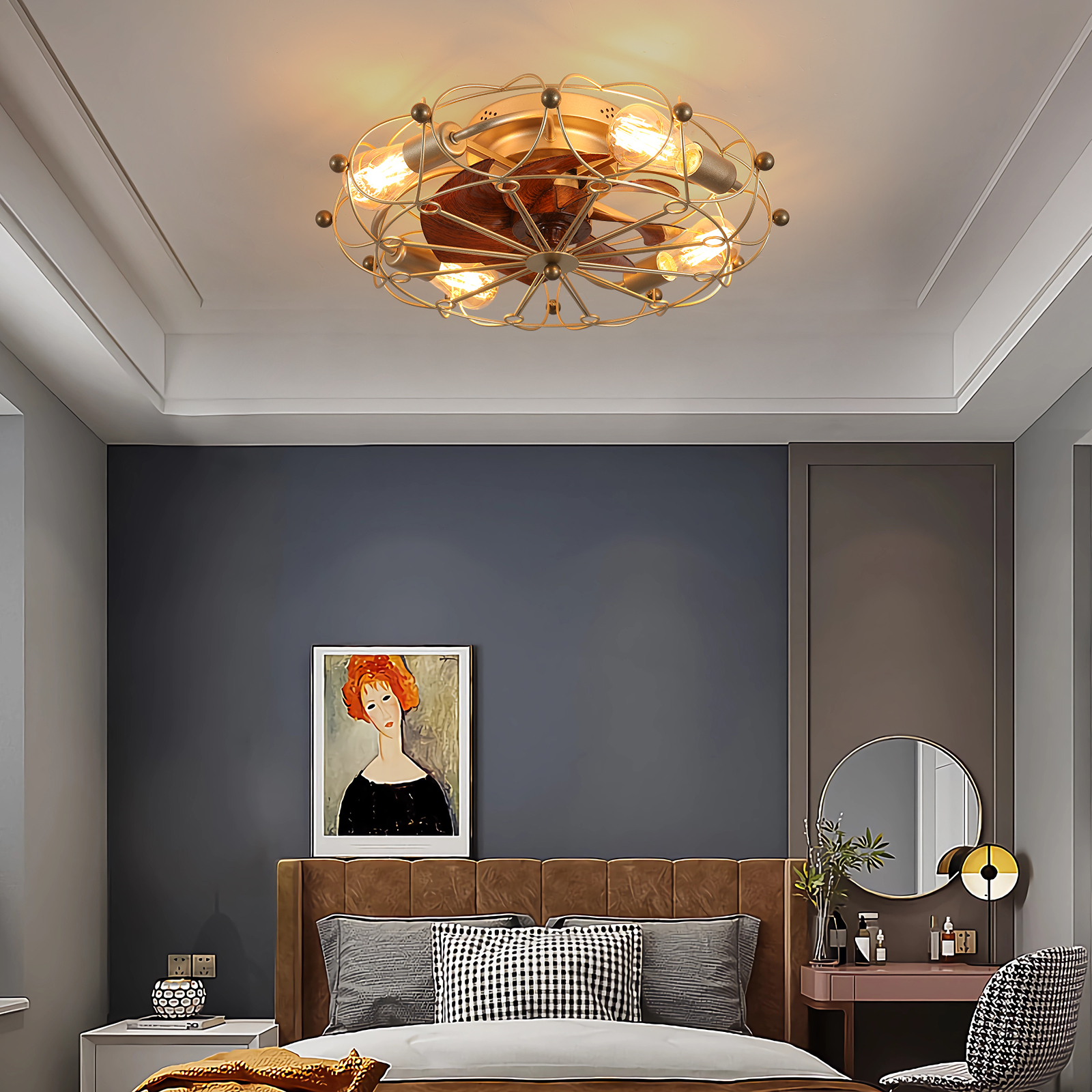
Low Profile Caged Ceiling Fan with Lights Remote Control, Embedded modern industrial ceiling fan
$101
Pendant Lights
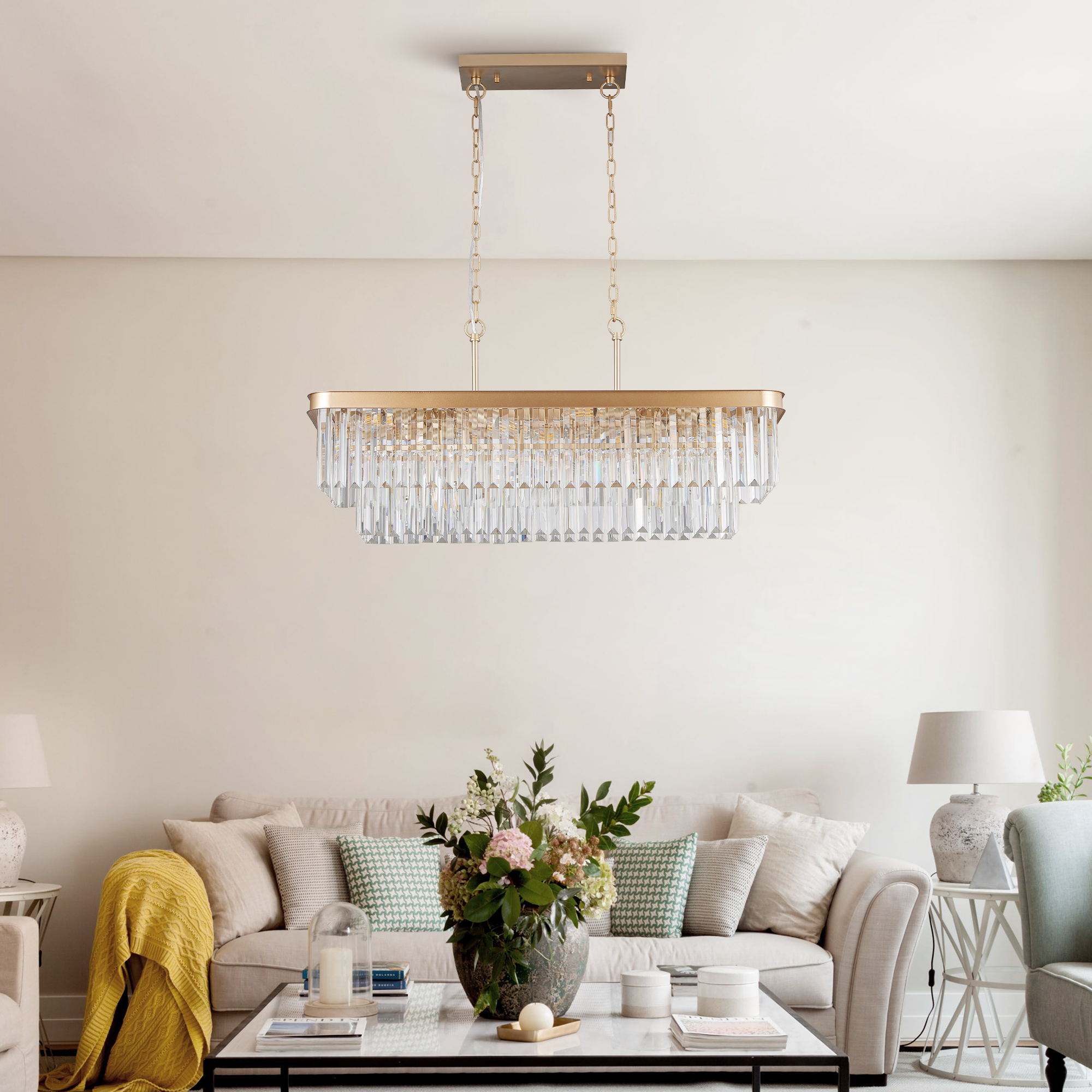
Chandeliers,Rectangular Crystal Chandelier Adjustable,E12 Modern Industrial Crystal Lights,Farmhouse Iron Ceiling Hanging Light for Kitchen Living Room Bedroom/Gold(Bulb Not Included)
$168