Design Notes
Tile Grout Width Guide: Narrow vs Standard Joints by Material and Room
Quick answer
The right grout width depends on tile size consistency, edge style, substrate flatness, and how forgiving the room needs to be for cleaning, movement, and installation accuracy.
Rectified vs non-rectified tile
Rectified tile can usually support narrower joints because edges are more consistent. Non-rectified tile often needs wider joints to hide manufacturing variation and keep courses visually even.
Floor vs wall decisions
Shower floors, busy family bathrooms, and large-format floor tile usually need more installation tolerance than decorative wall fields. Pick the joint for the room function, not only for appearance.
Why ultra-thin joints are risky
Very tight joints can look crisp in photos, but they expose lippage, substrate issues, and layout drift faster. A slightly wider joint often gives a better finished result in real remodel conditions.
FAQ
Is the smallest grout joint always the premium look?
No. It only looks premium when the tile, substrate, and installer tolerance all support it.
Does grout width affect cleaning?
Yes. Wider joints mean more visible grout area, but overly tight joints can also make installation defects stand out.
Related resources
Topic pathway
More in Flooring & Tile Guides
Porcelain, ceramic, vinyl flooring, grout, and wet-area planning guidance for flooring and tile decisions.
shower wall tile size guide
Shower Wall Tile Size Guide: Small, Medium, or Large Format?
Pick a shower wall tile size that fits the room, reduces awkward cuts, and supports a cleaner installation layout.
vinyl flooring vs laminate
Vinyl Flooring vs Laminate: Which One Fits the Room Better?
Compare vinyl flooring and laminate by water exposure, comfort underfoot, wear behavior, and project risk before you choose a plank floor.
porcelain vs ceramic tile
Porcelain vs Ceramic Tile: Which One Fits the Project Better?
Compare porcelain and ceramic tile for bathrooms, floors, and walls using durability, water exposure, and budget tradeoffs.
Continue browsing
Project pathways connected to this guide
Shop with context
Products aligned with this guide
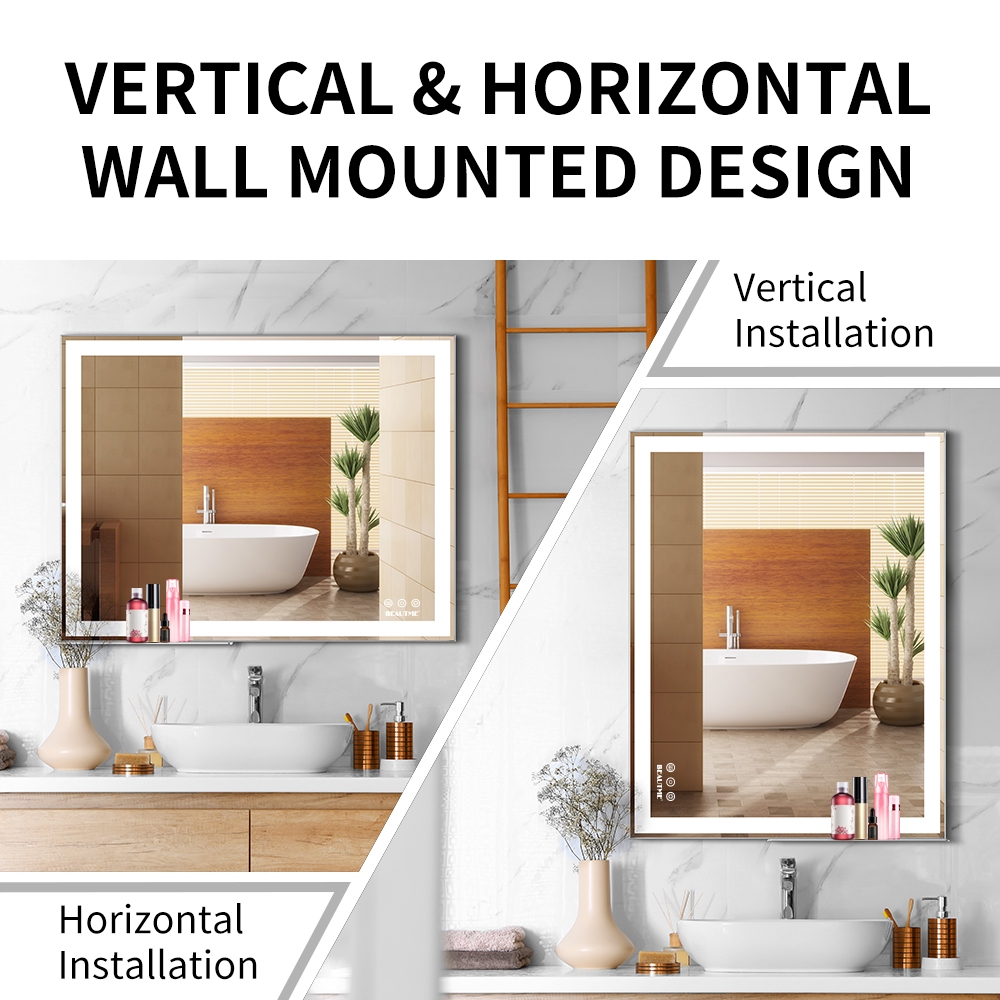
Wall Lights
48x24 inch LED Bathroom Vanity Mirror Wall Mounted Adjustable White/Warm/Natural Lights Anti-Fog Touch Switch with Memory Modern Smart Large Bathroom Mirrors
$200
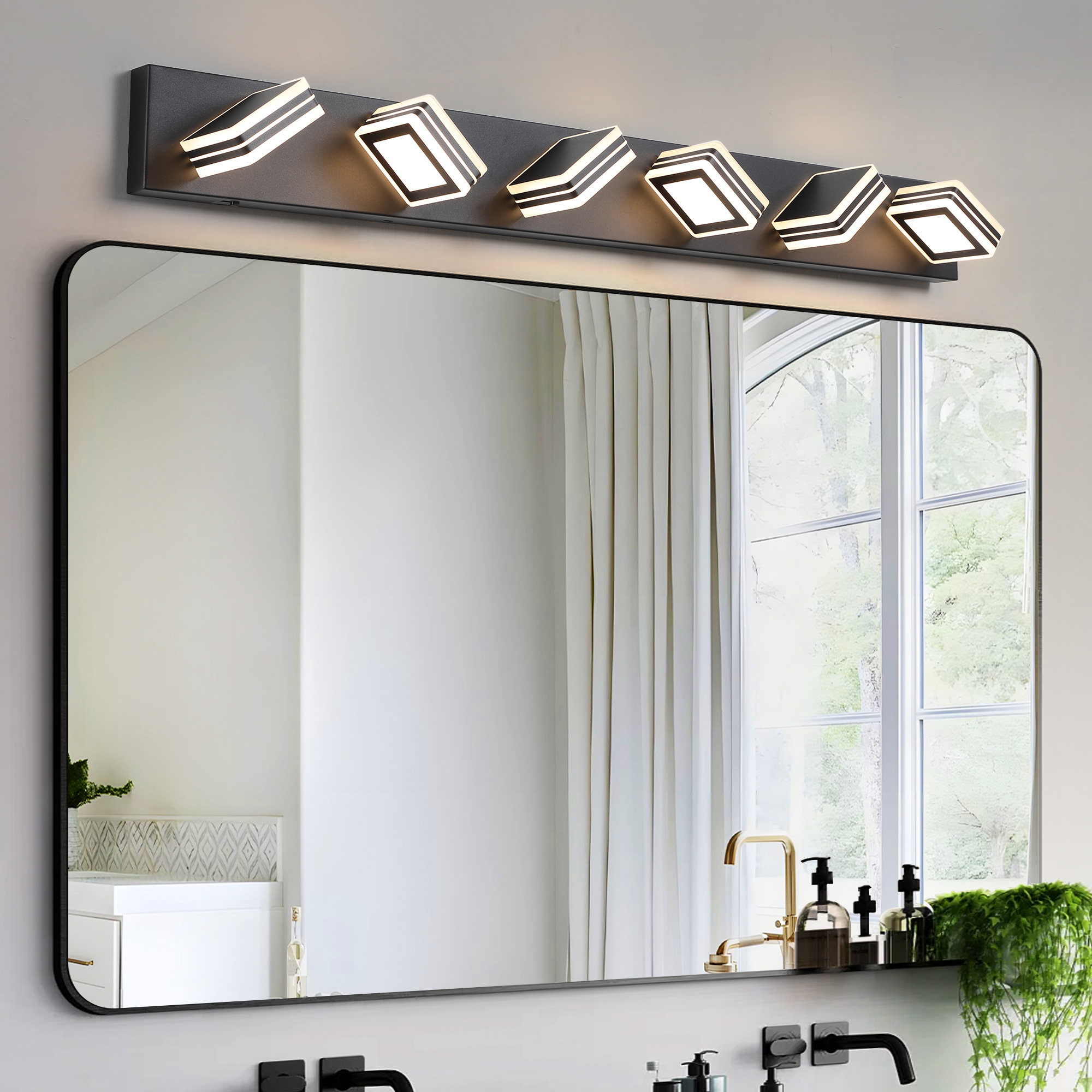
Wall Lights
40" Modern 6-Light LED Vanity Light - Sleek Bathroom Wall Fixture, Iron & Acrylic, Dimmable & Energy-Efficient, Ideal for Mirror Lighting
$123